designmd
DiscoverTemplatesNEWToolsCLILearn

DesignMD

Discover, vote, and share the best DESIGN.md files on the internet.

♥ Support Itmeo

Products

  • AI Studio
  • WebGradients

Company

  • About
  • Blog
  • Manifest
  • Donate

Explore

  • Changelog
  • llms.txt
  • ai.txt
  • Sitemap
  • Newsletter

Connect

  • Twitter / X
  • GitHub
  • dimabraven.com

© 2016–2026 Itmeo. All rights reserved.

PrivacyTerms
Home/Discover/Material Design 3 (component system reference)

Material Design 3 (component system reference) DESIGN.md for AI coding agents

Dima Braven·May 8, 2026

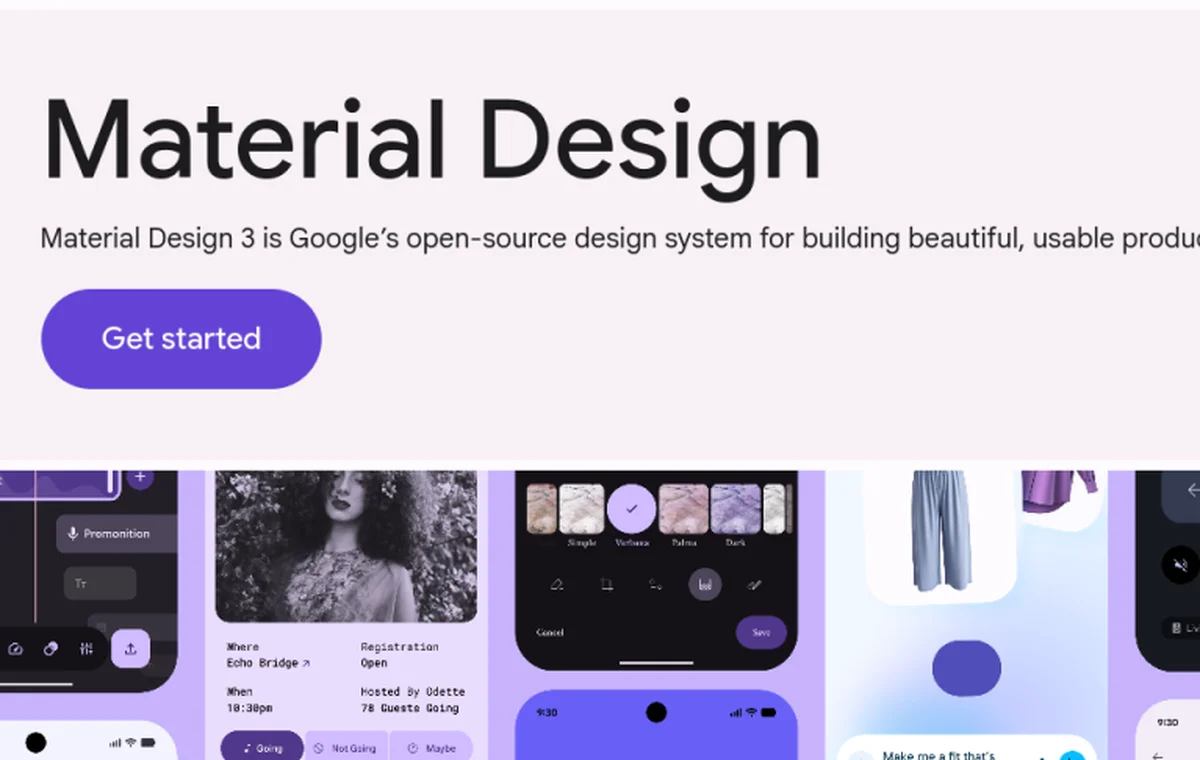
Material Design 3 - dynamic color, tonal surfaces, Roboto Flex, accessible by default.
materialgoogleandroiddesign-system
CursorClaude CodeCodexGoogle StitchLovableBoltv0Figma Make

Sign in to copy full DESIGN.md files, download .md files, and save styles.

# DESIGN.md - Material Design 3 (component system reference)

> Component-system reference based on publicly documented patterns.
> Source: https://m3.material.io/

## Overview
Google design system with dynamic color, tonal surfaces, accessible components, clear elevation, and Android-friendly interaction rules.

## Color System (tokens)
- --primary: #6750A4
- --surface: #FFFBFE
- --surface-container: #F3EDF7
- --outline: #79747E
- --on-surface: #1C1B1F

## Typography
- Use Roboto or Roboto Flex.
- Use defined type roles rather than ad hoc sizes.
- Keep body text readable and accessible.

## Layout / Interaction
- Use tonal surfaces to show hierarchy.
- Use clear component roles and state layers.
- Respect touch targets for mobile-first contexts.

## Components
- Top app bar
- Navigation rail
- FAB
- Card
- Text field
- Dialog
- Snackbar
- Tabs

Design System Overview

The Material Design 3 (component system reference) design system captures the visual language of a well-known design and creative tools product. This DESIGN.md file distills its color palette, typography, spacing scale, and component patterns into a format that AI coding agents can read and follow when generating UI.

Material Design 3 - dynamic color, tonal surfaces, Roboto Flex, accessible by default.

AI agents like Cursor, Claude Code, Codex, and Google Stitch can reference this file to produce UI that visually matches the Material Design 3 (component system reference) aesthetic — consistent colors, proportional spacing, and recognizable component patterns — without requiring explicit pixel-by-pixel instructions for every element.

Browse more design and creative tools design systems or explore the full DESIGN.md directory.


Color System

Brand palette extracted from the design system. Click any swatch to copy the hex value.

Text / Primary

#111111

Accent

#f97316

Surface / Background

#fff7ed

Border / Subtle

#fdba74

BRAND

SURFACE

TEXT


Typography Specimen

Roboto Flex · Roboto

Dynamic color system, tonal surfaces, Roboto type roles.

Display

2.8rem / 700 / 1.04

The quick brown fox

Heading H1

2rem / 700 / 1.1

The quick brown fox jumps

Heading H2

1.5rem / 600 / 1.15

The quick brown fox jumps over

Heading H3

1.125rem / 600 / 1.2

The quick brown fox jumps over the lazy

Body

1rem / 400 / 1.5

The quick brown fox jumps over the lazy dog

Small / Caption

0.75rem / 400 / 1.5

The quick brown fox jumps over the lazy dog and sat down.

Monospace

const primary = "Roboto Flex";


Component Patterns

UI specimens rendered in the Material Design 3 (component system reference) visual style — brand colours, spacing, and radius applied.

Navigation

Brand
FeaturesPricingDocs
Sign in

Buttons & States

Sign-up Form

Get started for free


Layout & Spacing Tokens

Spacing Scale

space-14px
space-28px
space-312px
space-416px
space-624px
space-832px
space-1248px
space-1664px

Border Radius

radius-none0px
radius-sm4px
radius-md8px
radius-lg16px
radius-xl24px
radius-full9999px

Elevation & Shadow

Flatshadow-none
XSshadow-xs
SMshadow-sm
MDshadow-md
LGshadow-lg
XLshadow-xl

Use with AI Coding Agents

Copy one of these prompts into your AI coding agent to apply the Material Design 3 (component system reference) design system to your project. The DESIGN.md file in your repo root is the source of truth.

# .cursor/rules (or DESIGN.md)
You are working in a project that uses the Material Design 3 (component system reference) design system.

Read the DESIGN.md file in this project root and follow it strictly when generating UI.
Match the brand's exact colors, typography, spacing scale, and border radius.
Do not create generic Tailwind UI — apply the visual language from DESIGN.md.

Key rules:
- Use the defined color palette, not arbitrary hex values
- Apply the correct font family and weight scale
- Follow spacing tokens (4/8/12/16/24/32px scale)
- Match component patterns: buttons, cards, inputs, badges as specified
Related DESIGN.md files

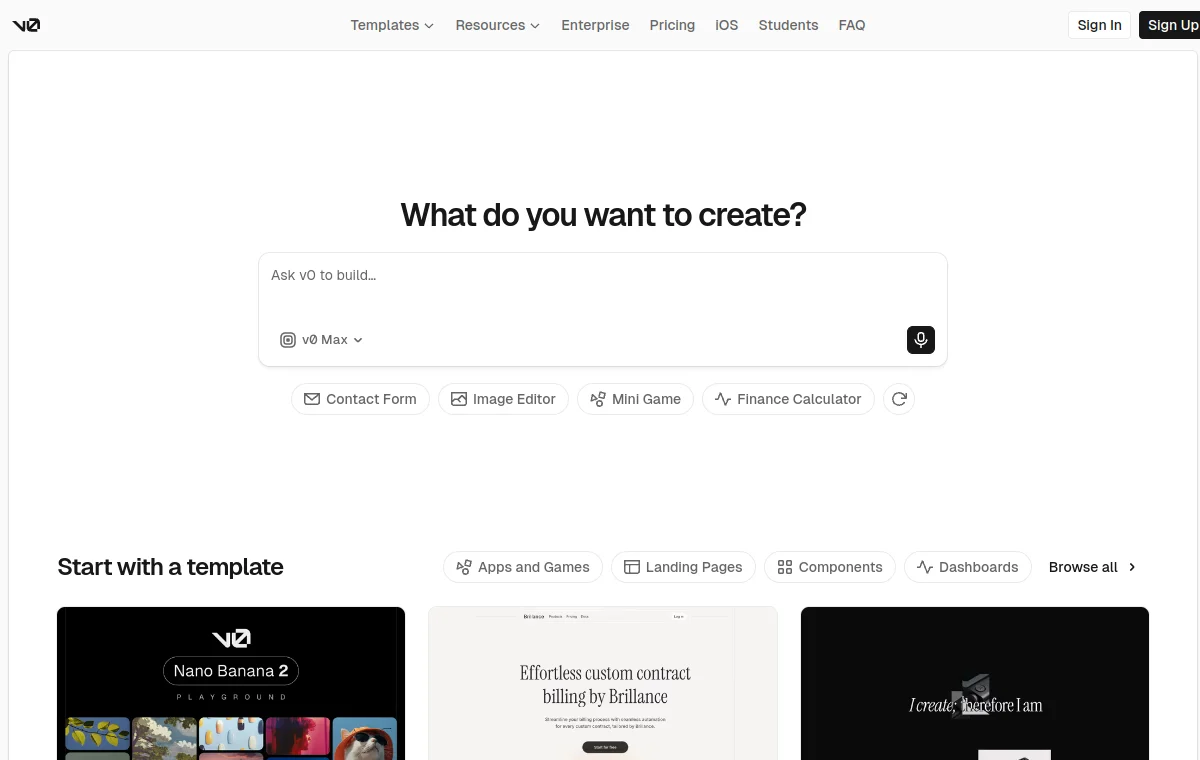
v0 by Vercel

v0 by Vercel

AI UI generator. Dark, minimal, Vercel aesthetic.

View DESIGN.md
Craft Docs

Craft Docs

Beautiful documents. Apple-influenced, editorial.

View DESIGN.md
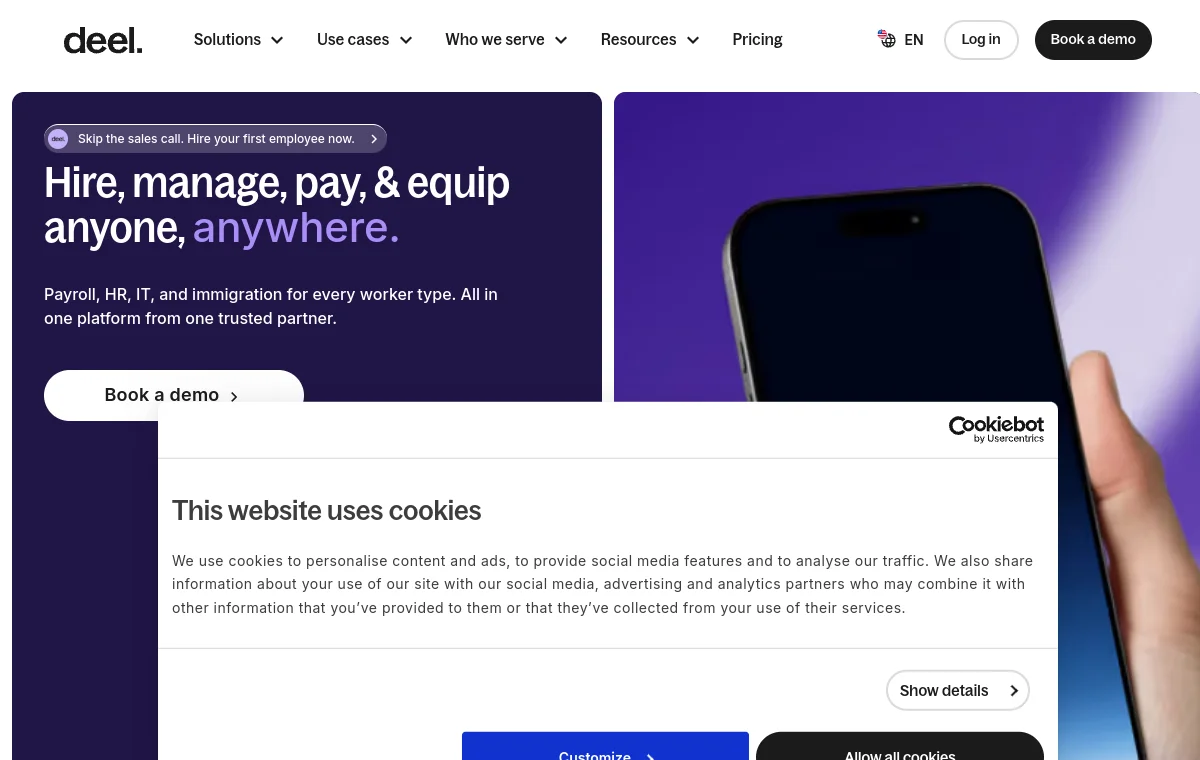
Deel

Deel

Global payroll and compliance. Clean enterprise SaaS.

View DESIGN.md
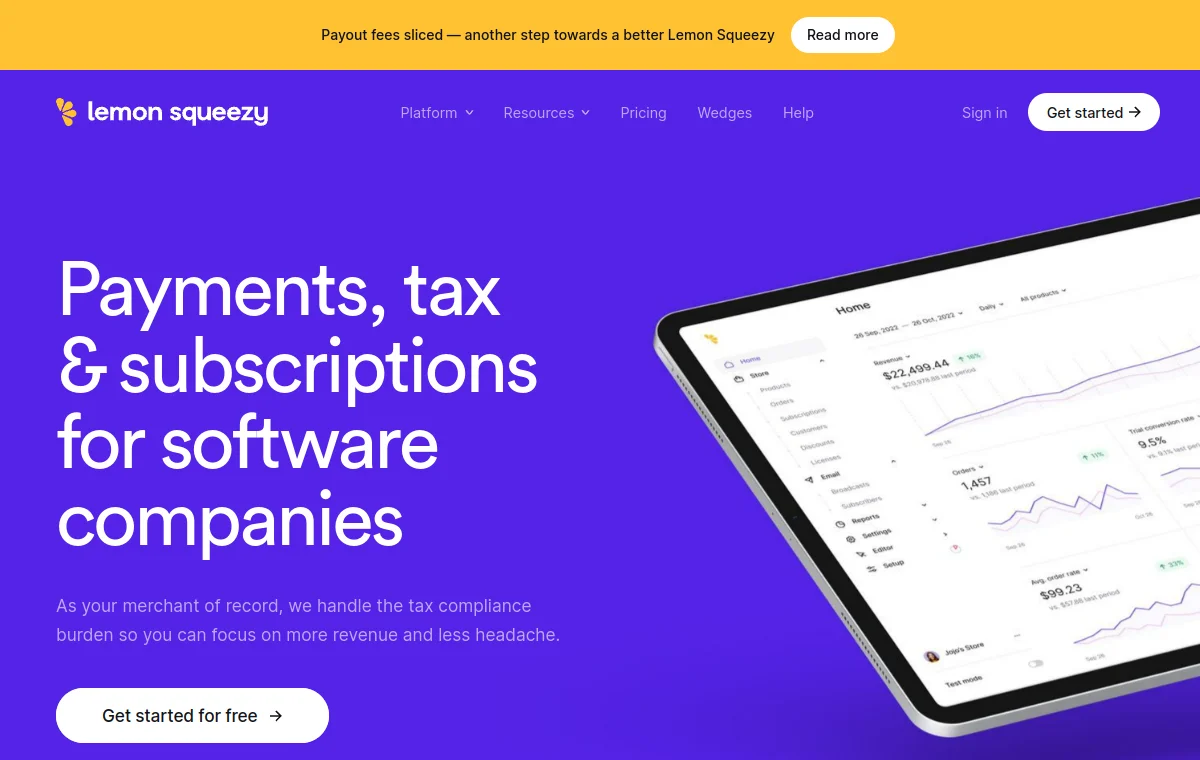
Lemon Squeezy

Lemon Squeezy

Payments for SaaS. Playful, vibrant, indie-friendly.

View DESIGN.md
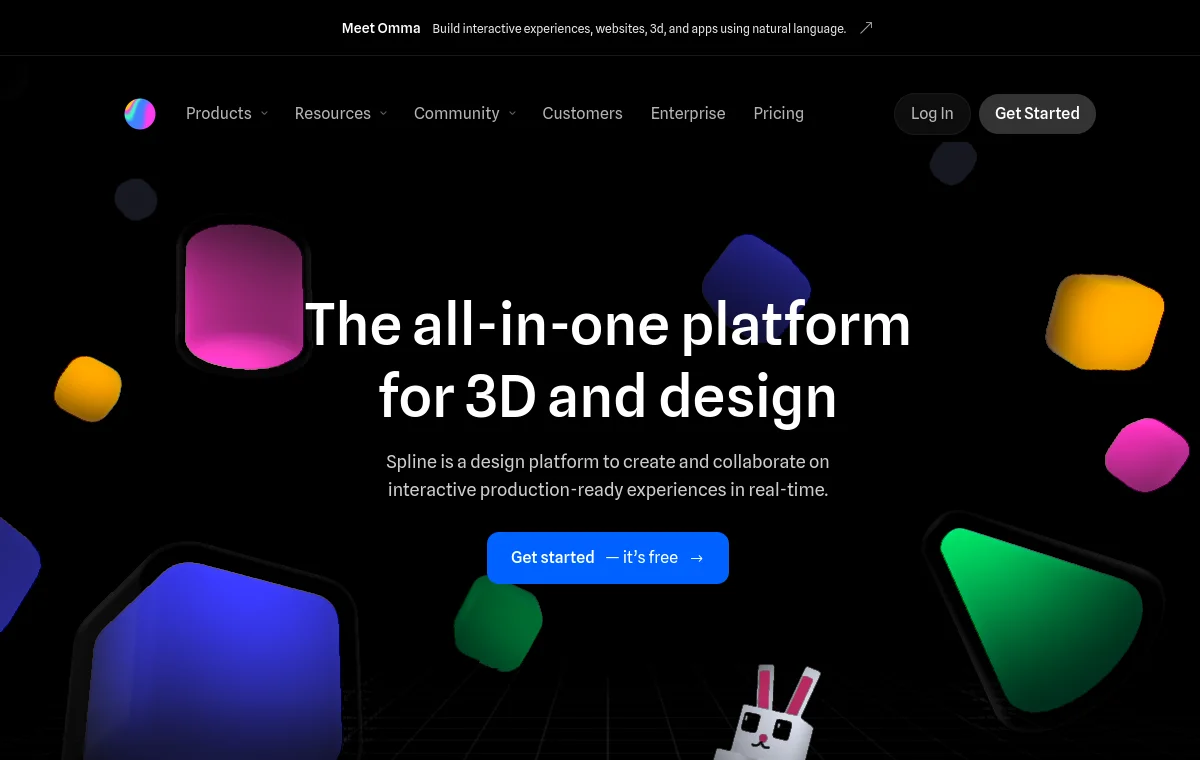
Spline

Spline

3D design tool for web. Dark, 3D-native aesthetic.

View DESIGN.md
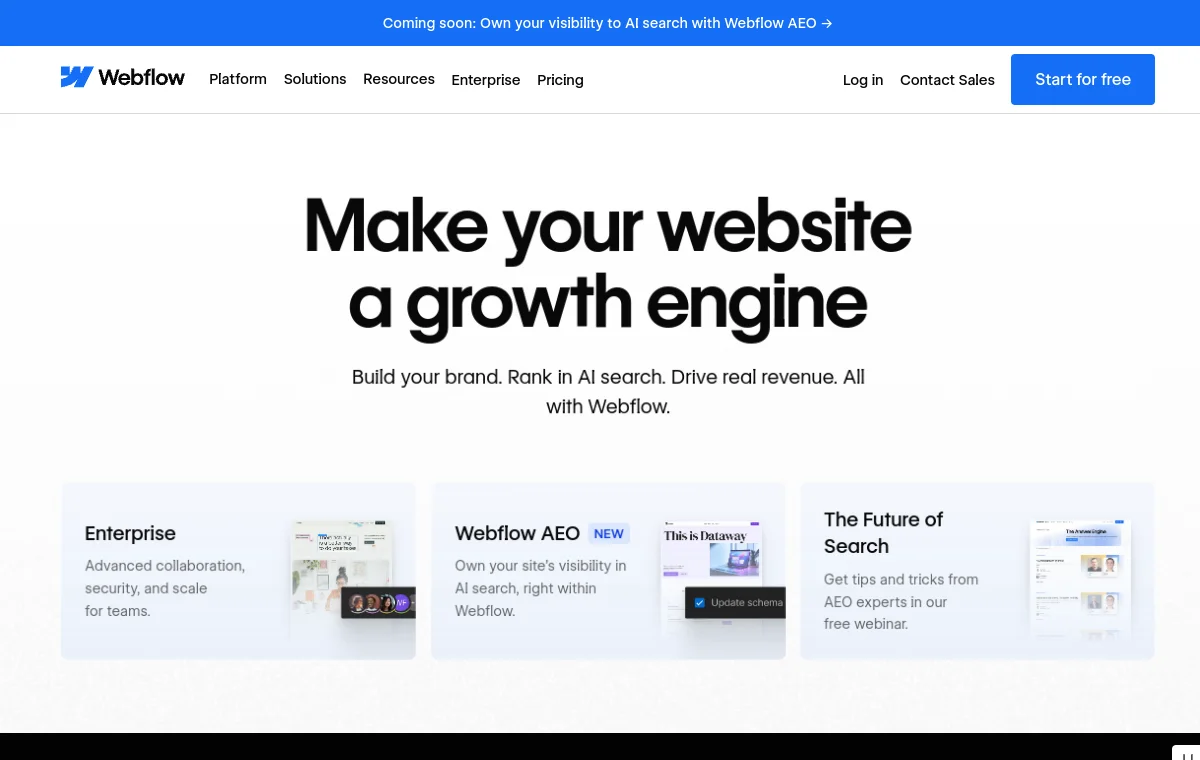
Webflow

Webflow

Visual web development. Dark, professional, powerful.

View DESIGN.md

Frequently Asked Questions

Can I use the Material Design 3 (component system reference) DESIGN.md with Cursor, Claude Code, or Codex?

Yes. Copy the DESIGN.md file into your project root and reference it in your agent rules. For Cursor, add it to .cursor/rules. For Claude Code, include it as CLAUDE.md. For Codex, add it to your system prompt. The agent will read it and apply the Material Design 3 (component system reference) visual system to any UI it generates.

Is this an official Material Design 3 (component system reference) file?

No — this is an independent reference created for AI coding agent compatibility. It is not officially endorsed by Material Design 3 (component system reference). The visual system was analyzed and documented to help AI agents produce UI that matches the Material Design 3 (component system reference) aesthetic. Always verify against official Material Design 3 (component system reference) documentation.

What is a DESIGN.md file?

A DESIGN.md file is a Markdown document that describes a product's visual design system in a format that AI coding agents can read and follow. It captures color palettes, typography, spacing, component patterns, and usage rules — giving AI agents like Cursor, Claude Code, and Codex a source of truth for consistent UI generation.

Can I use the Material Design 3 (component system reference) color tokens and visual style in my own project?

The design tokens and visual patterns documented here are for reference and AI agent guidance. If you are building a project inspired by the Material Design 3 (component system reference) visual style, ensure your use is consistent with Material Design 3 (component system reference)'s brand guidelines and any applicable trademark or copyright rules. This file helps AI agents understand a style — it does not grant license to use proprietary brand assets.

How do I add this to my project?

Download the DESIGN.md file (requires free account) and place it in your project root. Then tell your AI agent to read it: "Read the DESIGN.md file in this project and follow its design system when generating UI." The agent will pick it up automatically in most modern AI coding tools.