designmd
TemplatesNEWSkillsDesign Systems
GuidesToolsCLIPricing

DesignMD

Discover, vote, and share the best DESIGN.md files on the internet.

♥ Support Itmeo

Products

  • Templates
  • Admin Panel Template
  • SaaS Dashboard Template
  • Skills
  • Design Systems
  • AI Studio
  • WebGradients
  • Free CSS Gradient Generator
  • Color Palette for Websites

Company

  • About
  • Blog
  • Manifesto
  • Donate

Explore

  • Changelog
  • Vercel DESIGN.md
  • shadcn DESIGN.md
  • GitHub DESIGN.md
  • DESIGN.md examples
  • llms.txt
  • ai.txt
  • Sitemap

Connect

  • Twitter / X
  • GitHub
  • DESIGN.md spec
  • dimabraven.com

© 2016–2026 Itmeo. All rights reserved.

PrivacyTerms
Home/DESIGN.md Files/Google Stitch

Google Stitch

Official referencePractical workflow notes for AI coding agents
Dima BravenDima Braven·Jan 2, 2026

Google Labs tool that made DESIGN.md mainstream as a practical format for AI-native UI generation.

officialstitchtoolsai-appdesign-md
Google Stitch screenshot
CursorClaude CodeCodexGoogle StitchLovableBoltv0Figma Make

Sign in to copy full DESIGN.md files, download .md files, and save styles.

# Google Stitch

## What this is
Google Stitch is an AI-native UI design surface for exploring interface ideas from prompts, images, and iterative design direction.

In a DESIGN.md workflow, Stitch is useful as the upstream exploration surface: it helps produce screens and visual decisions that should later be captured in a durable markdown design contract.

## Why this page exists in DesignMD
This reference is not a scraped brand style page. It is a workflow page for teams that want to pair Google Stitch with a durable DESIGN.md file.
Use it when an AI builder needs visual taste before it edits Tailwind classes, creates React components, or turns a prompt into a working interface.
The goal is practical: make the agent read a small design contract before it starts guessing color, density, hierarchy, radius, and component behavior.

## How DESIGN.md fits the workflow
- Use Stitch to explore screens, then turn stable decisions into a DESIGN.md section.
- Capture repeated color, spacing, and component patterns instead of copying one generated screen.
- Move from visual exploration to code only after the design memory names the system rules.
- Store screenshots as evidence, but put decisions in text and tokens so coding agents can use them.
- Use DESIGN.md as the handoff between a Stitch concept and a production frontend task.
- Keep DESIGN.md close to the source code, usually in the project root or beside the frontend app that owns the product surface.
- Treat the file as a living design contract. Update it after visual decisions change, not only after a full redesign.
- Reference the file explicitly in your coding-agent instructions so it is read before UI work begins.
- Prefer concrete values over adjectives. Agents follow `--radius-card: 8px` more reliably than "make it polished".
- Pair visual rules with acceptance checks: responsive behavior, hover states, empty states, error states, and accessibility.

## Recommended DESIGN.md structure
A useful DESIGN.md for this workflow should be readable by a human reviewer and precise enough for an agent.

### Product feel
- Define the product category and emotional target in one paragraph.
- Name what the interface should avoid, not only what it should become.
- Include the density target: sparse marketing, focused SaaS, data-heavy console, or code-first tool.

### Color
- Put canonical color values in CSS variables or token names.

For makers

Get your product in context

Add your tool/site or create the DESIGN.md first. Every listing is reviewed before publication.

Add your tool/site · $19Create my DESIGN.md
See full pricing

Design System Overview

The Google Stitch design system captures the visual language of a well-known developer tools and IDEs product. This DESIGN.md file distills its color palette, typography, spacing scale, and component patterns into a format that AI coding agents can read and follow when generating UI.

Google Labs tool that made DESIGN.md mainstream as a practical format for AI-native UI generation.

AI agents like Cursor, Claude Code, Codex, and Google Stitch can reference this file to produce UI that visually matches the Google Stitch aesthetic — consistent colors, proportional spacing, and recognizable component patterns — without requiring explicit pixel-by-pixel instructions for every element.

Browse more developer tools and IDEs design systems or explore the full DESIGN.md directory.


Color System

Brand palette extracted from the design system. Click any swatch to copy the hex value.

Text / Primary

#111827

Accent

#3b82f6

Surface / Background

#f8fafc

Border / Subtle

#cbd5e1


Typography Specimen

Display

2.8rem / 700 / 1.04

The quick brown fox

Heading H1

2rem / 700 / 1.1

The quick brown fox jumps

Heading H2

1.5rem / 600 / 1.15

The quick brown fox jumps over

Heading H3

1.125rem / 600 / 1.2

The quick brown fox jumps over the lazy

Body

1rem / 400 / 1.5

The quick brown fox jumps over the lazy dog

Small / Caption

0.75rem / 400 / 1.5

The quick brown fox jumps over the lazy dog and sat down.

Monospace

const primary = "System";


Layout & Spacing Tokens

Spacing Scale

space-14px
space-28px
space-312px
space-416px
space-624px
space-832px
space-1248px
space-1664px

Border Radius

radius-none0px
radius-sm4px
radius-md8px
radius-lg16px
radius-xl24px
radius-full9999px

Elevation & Shadow

Flatshadow-none
XSshadow-xs
SMshadow-sm
MDshadow-md
LGshadow-lg
XLshadow-xl

Use with AI Coding Agents

Copy one of these prompts into your AI coding agent to apply the Google Stitch design system to your project. The DESIGN.md file in your repo root is the source of truth.

# .cursor/rules (or DESIGN.md)
You are working in a project that uses the Google Stitch design system.

Read the DESIGN.md file in this project root and follow it strictly when generating UI.
Match the brand's exact colors, typography, spacing scale, and border radius.
Do not create generic Tailwind UI — apply the visual language from DESIGN.md.

Key rules:
- Use the defined color palette, not arbitrary hex values
- Apply the correct font family and weight scale
- Follow spacing tokens (4/8/12/16/24/32px scale)
- Match component patterns: buttons, cards, inputs, badges as specified
Related DESIGN.md files

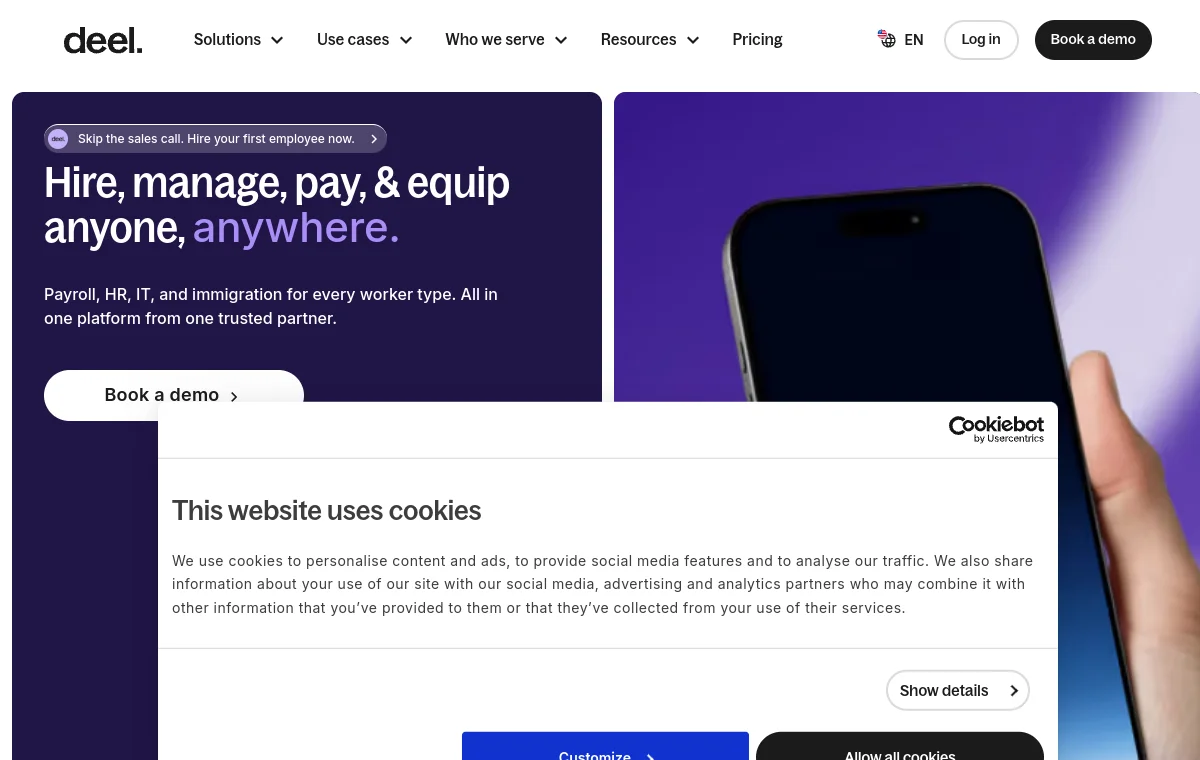
Deel

Deel

Global payroll and compliance. Clean enterprise SaaS.

View DESIGN.md
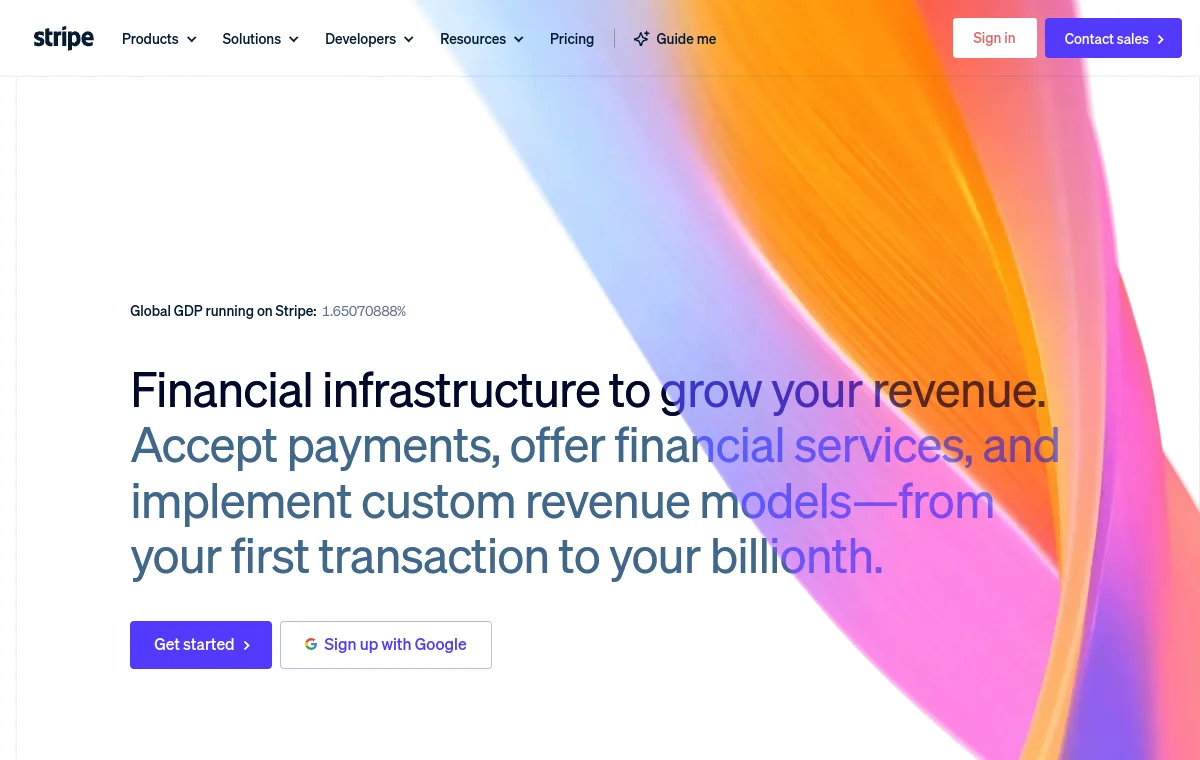
Stripe

Stripe

Developer-first payments platform. Clean, trustworthy, minimal decoration.

View DESIGN.md
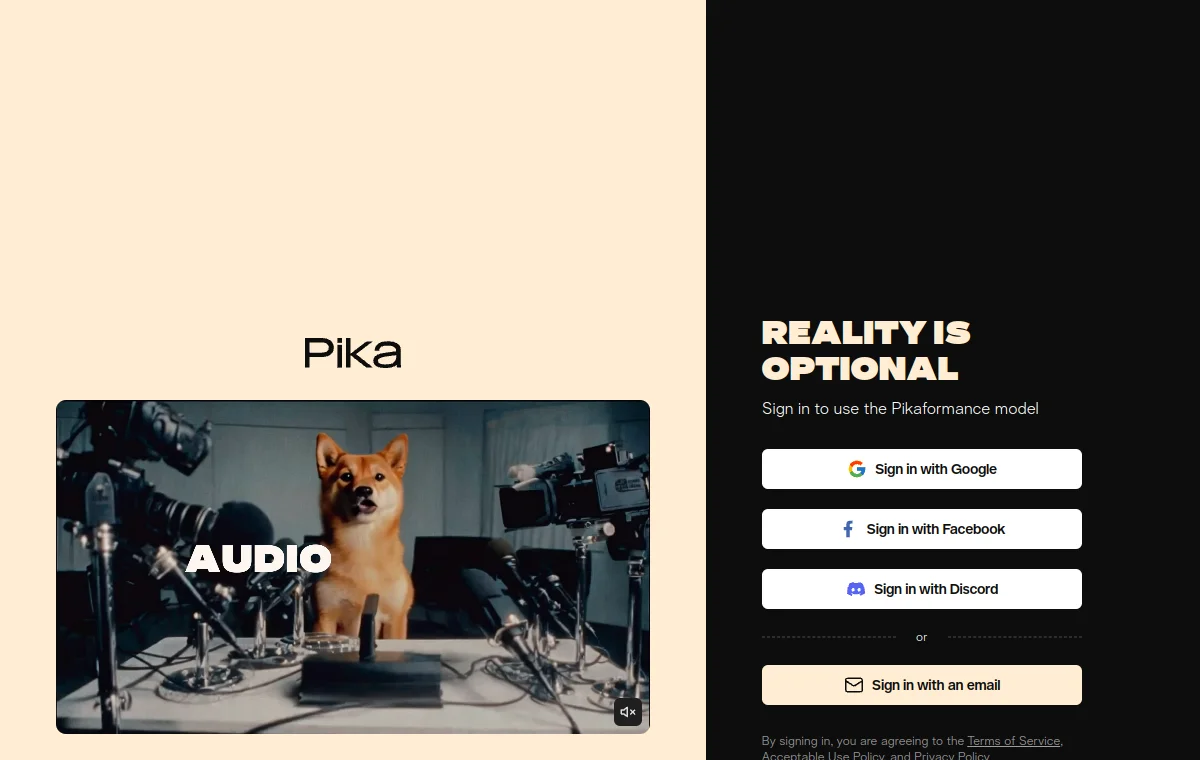
Pika

Pika

AI video creation. Dark, creative, gen-AI aesthetic.

View DESIGN.md
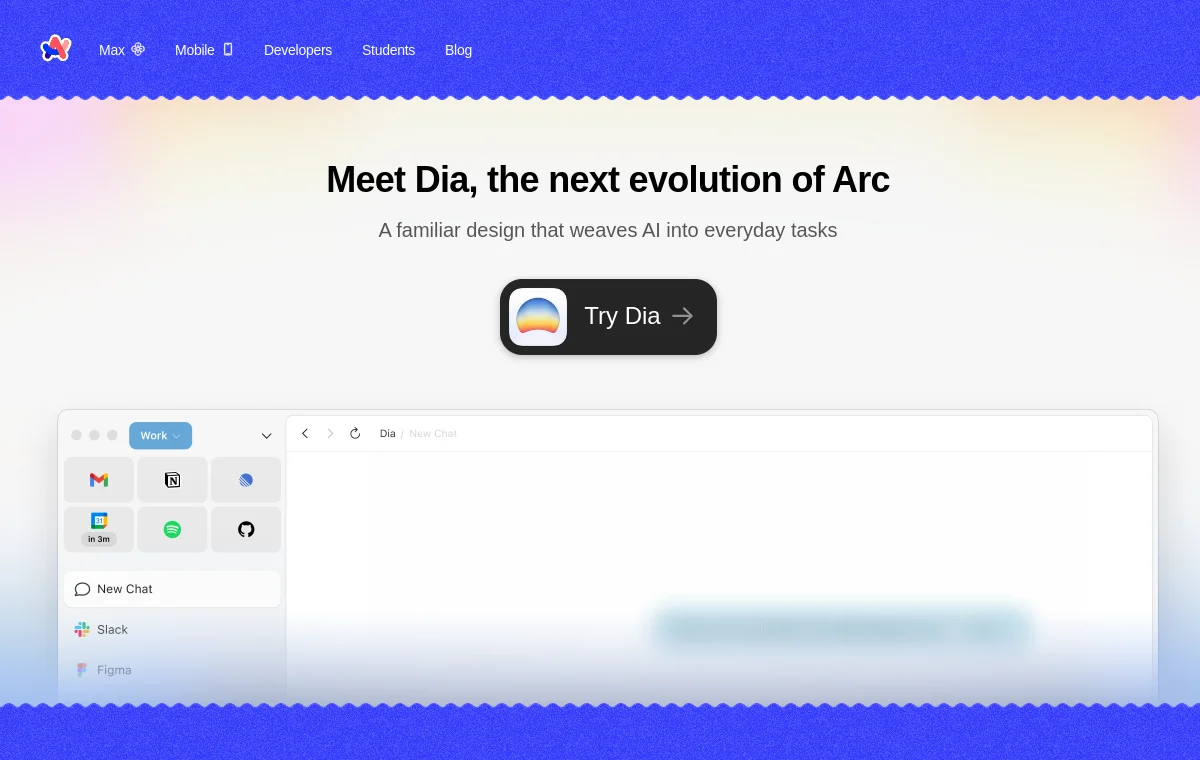
Arc Browser

Arc Browser

Reimagined web browser. Dark, opinionated, premium.

View DESIGN.md
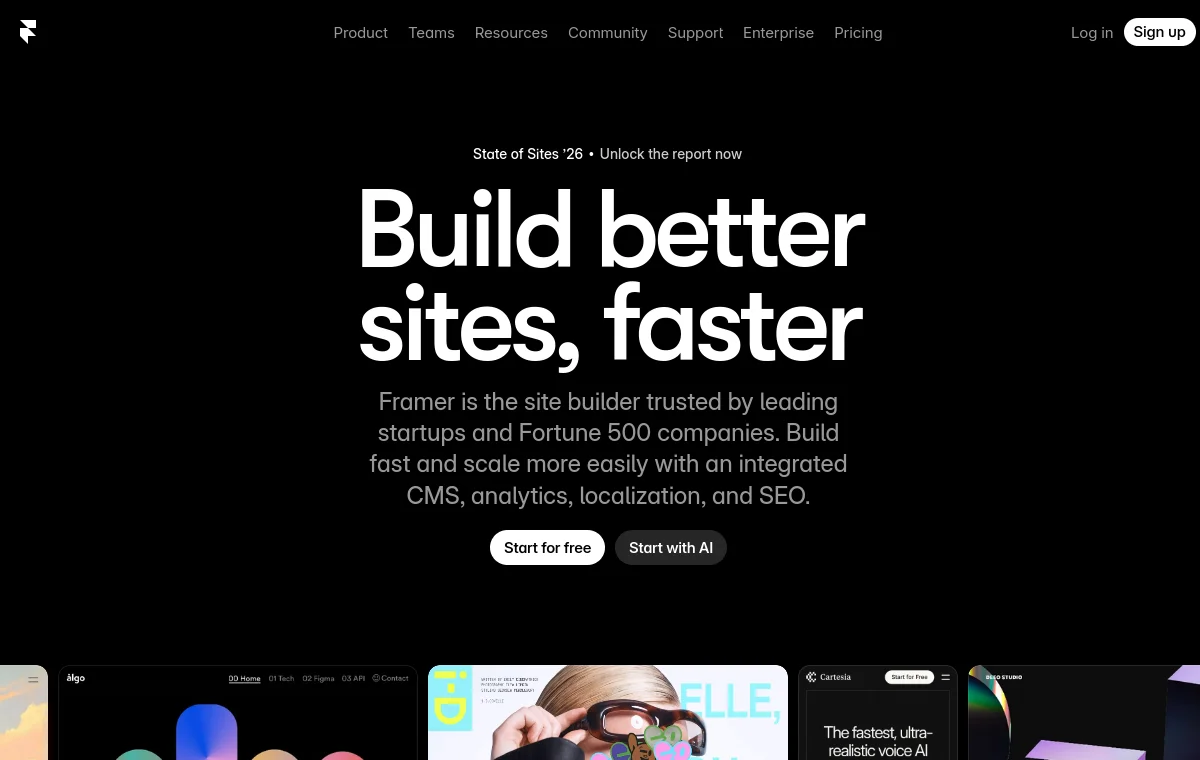
Framer

Framer

Interactive design and publishing. Editorial, bold, premium web.

View DESIGN.md
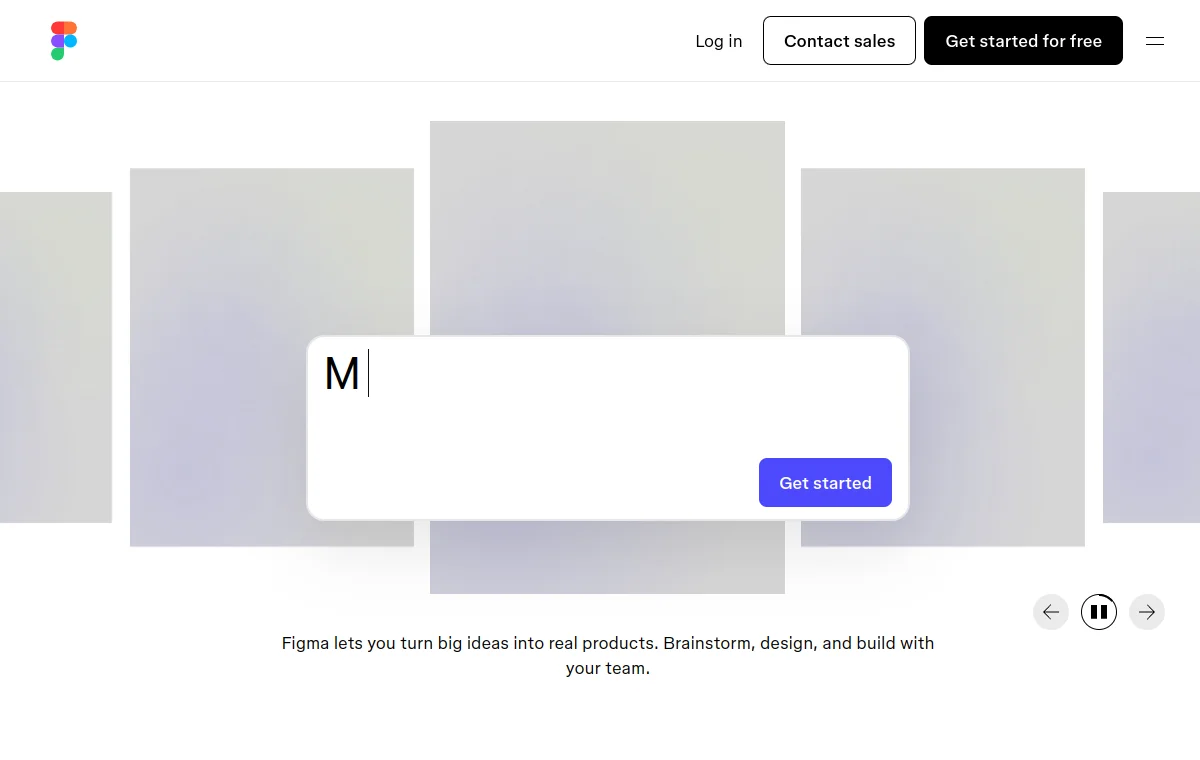
Figma

Figma

Design tool. Clean, professional, subtle brand depth.

View DESIGN.md

Frequently Asked Questions